High-Protein Meal Plan for Busy PeopleSimple, Effective, and Science-Backed

High-Protein Meal Plan for Busy People
Simple, Effective, and Science-Backed
Introduction
Let’s be real—losing weight and building muscle can feel frustrating when you’re constantly hungry or struggling to see results. One simple strategy that may help is increasing the amount of protein in your diet.
A protein-rich eating pattern can help you feel fuller for longer, support muscle maintenance, and make it easier to manage your overall food intake. You do not need to spend hours meal prepping or eat plain chicken and broccoli every day.
This guide presents a practical, high-protein approach that is easy to follow, flexible, and suitable for busy lifestyles. Whether your goal is weight management, strength, or simply healthier eating, the focus is on simple and satisfying meals.
Why This High-Protein Meal Plan Works
- Keeps You Full and Supports Muscle — Protein can help control hunger and support muscle maintenance, especially when combined with regular resistance training.
- Supports a Healthy Metabolism — Protein requires more energy to digest than carbohydrates or fat, although the overall effect on calorie burning is modest.
- Balanced and Nutritious — Protein sources are paired with fiber-rich foods, healthy fats, fruits, vegetables, and whole grains.
- Flexible for Different Lifestyles — Choose vegetarian, plant-based, lean-meat, fish, or dairy-based protein sources.
- Easy and Meal-Prep Friendly — Wraps, bowls, casseroles, yogurt bowls, and one-pan meals can save time.
- Healthy Comfort Foods — Familiar foods can still fit into a balanced diet when prepared with nutritious, protein-rich ingredients.
A Simple 7-Day High-Protein Approach
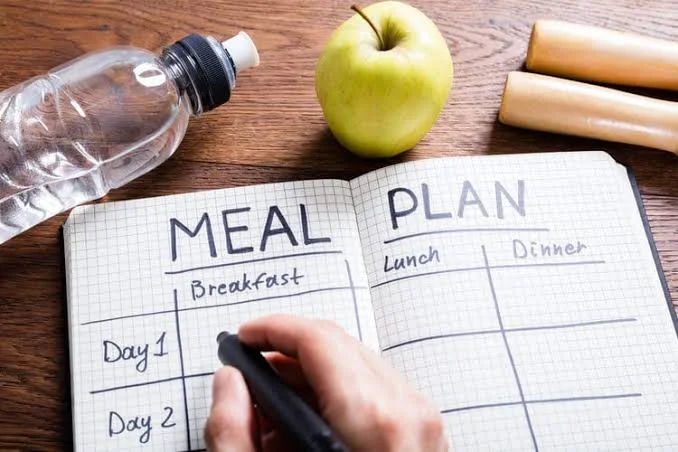
- Day 1: Eggs or Greek yogurt for breakfast, chicken or tuna for lunch, and lean protein with vegetables for dinner.
- Day 2: Cottage cheese or a protein-rich smoothie for breakfast, a turkey or tofu wrap for lunch, and salmon with vegetables for dinner.
- Day 3: Protein oatmeal or eggs for breakfast, chicken salad for lunch, and a bean or lean-beef casserole for dinner.
- Day 4: Greek yogurt with fruit and nuts, a tuna or chickpea wrap, and grilled chicken with vegetables and whole grains.
- Day 5: Eggs with vegetables, cottage cheese with fruit, and fish, tofu, or lean meat with vegetables.
- Day 6: Protein-rich oatmeal, a turkey or bean bowl, and chicken or salmon with vegetables.
- Day 7: Greek yogurt or eggs, a leftover protein-based lunch, and a balanced dinner featuring your preferred lean protein.
How Much Protein Do You Need Each Day?
Protein needs depend on body weight, age, activity level, and personal goals. For generally healthy adults, the basic recommended dietary allowance is about 0.8 grams of protein per kilogram of body weight per day.
People who exercise regularly, especially those doing resistance training, may benefit from a higher intake. A practical target for many active adults is roughly 1.2–2.0 grams per kilogram of body weight per day, depending on goals and circumstances.
Instead of trying to consume a very large amount of protein in one meal, it can be helpful to spread protein across breakfast, lunch, dinner, and snacks. A balanced daily intake is more important than focusing on one specific meal.
If you have kidney disease or another medical condition that affects protein intake, consult a qualified healthcare professional before significantly increasing your protein consumption.
How to Follow a High-Protein Diet
- Plan Your Meals — Choose a protein source for each main meal, then build the meal around vegetables, fruit, whole grains, or other nutritious foods.
- Choose Quality Protein Sources — Include chicken, fish, eggs, Greek yogurt, cottage cheese, tofu, beans, lentils, and lean meats.
- Keep Your Meals Balanced — Protein works best as part of an overall nutritious eating pattern rather than as the only focus.
- Monitor Your Intake When Helpful — A food journal or nutrition app can help you understand your usual protein intake if tracking works well for you.
- Stay Hydrated — Drink enough water throughout the day, especially when increasing protein and fiber intake.
- Listen to Your Body — Hunger, fullness, energy, digestion, and training performance can help guide meal choices.
- Make It Convenient — Keep easy options available, such as boiled eggs, Greek yogurt, cooked chicken, cottage cheese, and roasted legumes.
What Foods Are Highest in Protein?
Lean Meats
Chicken Breast — Approximately 22–23 grams of protein per 100 grams when cooked, depending on preparation.
Turkey Breast — A lean and versatile source of high-quality protein.
Lean Beef — Provides protein along with nutrients such as iron, zinc, and vitamin B12.
Fish and Seafood
⦁ Salmon — A protein-rich fish that also provides beneficial omega-3 fatty acids.
⦁ Tuna — A convenient protein source for salads, sandwiches, and wraps.
⦁ Shrimp — High in protein and relatively low in calories.
⦁ Dairy and Eggs
⦁ Cottage Cheese — A convenient protein-rich food for sweet and savory meals.
⦁ Greek Yogurt — A creamy protein source for breakfast, snacks, smoothies, and desserts.
⦁ Eggs — Provide high-quality protein and are easy to prepare in many ways.
Plant-Based Protein
⦁ Lentils and Beans — Provide protein and fiber and work well in soups, salads, bowls, and casseroles.
⦁ Tofu and Tempeh — Versatile plant-based options for stir-fries, wraps, and bowls.
⦁ Nuts and Seeds — Provide protein and healthy fats, but portion size matters because they are calorie-dense.
Practical Tips for Busy People
⦁ Prepare two or three protein sources in advance so meals can be assembled quickly.
⦁ Keep Greek yogurt, eggs, cottage cheese, canned fish, or other convenient protein foods available.
⦁ Use leftovers to create quick lunches instead of cooking from scratch every day.
⦁ Choose simple recipes such as protein bowls, wraps, casseroles, salads, and one-pan meals.
⦁ Focus on consistency rather than perfection. A sustainable routine is more useful than a complicated diet that is difficult to maintain.
Final Thoughts
A high-protein diet can be simple, enjoyable, and flexible. The goal is not to eat as much protein as possible, but to include an appropriate amount within a balanced and sustainable eating pattern.
Build meals around nutritious protein sources, add vegetables and fruit, choose high-fiber carbohydrates when desired, stay hydrated, and remain physically active. Small, consistent choices can make healthy eating much easier for busy people.