High-Protein Meal Plan for Busy People: Simple, Effective, and Science-Backed

Let’s be real—trying to lose weight, build muscle, or simply improve the way you eat can feel much harder than it needs to be.
You start the day with good intentions, but then life happens. Breakfast gets skipped because you’re running late. Lunch becomes whatever is quickest. By mid-afternoon, you’re starving and searching for something sweet. Then dinner arrives, and suddenly it feels almost impossible to make the balanced choice you planned earlier.
That’s exactly where protein can make a big difference.
Protein is an essential nutrient your body uses to build and maintain muscle, repair tissues, produce enzymes and hormones, and support numerous everyday functions. It can also make meals more satisfying, which is especially useful when you’re trying to manage hunger while losing weight.
And eating more protein doesn’t mean living on plain grilled chicken, protein shakes, and steamed broccoli.
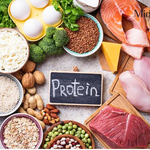
A good high-protein diet can include eggs, Greek yogurt, cottage cheese, chicken, turkey, fish, lean beef, beans, lentils, tofu, edamame, cheese, whole grains, vegetables, fruit, nuts, seeds, and plenty of flavorful meals.
The goal of this plan is simple:
Build meals around protein while keeping the rest of your diet balanced, enjoyable, convenient, and realistic.
No complicated recipes.
No eating the same meal seven days in a row.
No spending your entire Sunday meal prepping.
And no pretending that healthy food has to be boring.
Whether your goal is weight management, supporting muscle growth, improving meal quality, or simply staying fuller between meals, this guide will help you create a high-protein eating routine that can actually fit into everyday life.
Why Choose a High-Protein Meal Plan?
One of the biggest problems with many restrictive diets is that they focus almost entirely on what you need to remove.
No bread.
No dessert.
No snacks.
No eating after a certain time.
A more practical strategy can be to start by asking:
What can I add to make this meal more satisfying and nutritious?
Protein is often a useful place to start.
1. Protein Can Help You Feel Fuller
Protein tends to be highly satiating, meaning protein-rich meals can help you feel satisfied after eating.
Instead of eating a breakfast that leaves you hungry again an hour later, adding eggs, Greek yogurt, cottage cheese, or another protein source can make that meal substantially more filling.
The same idea applies to lunch and dinner.
Rather than eating a salad made mostly from lettuce and vegetables, adding chicken, tuna, salmon, eggs, tofu, beans, lentils, or cottage cheese turns it into a more complete meal.
That extra satisfaction can make it easier to manage snacking and portion sizes throughout the day.
2. Protein Supports Muscle
Muscle tissue is constantly being broken down and rebuilt.
Dietary protein provides amino acids your body uses in this process.
This becomes particularly important if you’re strength training, exercising regularly, getting older, or eating fewer calories while trying to lose weight.
Protein alone won’t magically create muscle—you still need an appropriate training stimulus—but adequate protein provides the building blocks your body needs.
3. Protein Has a Higher Thermic Effect
Your body uses energy to digest, absorb, and metabolize food.
This is known as the thermic effect of food.
Protein generally has a higher thermic effect than carbohydrates or dietary fat. That doesn’t turn protein into a magical “fat-burning food,” but it is one reason higher-protein diets can be useful within an overall weight-management strategy.
4. It Can Make Weight-Loss Meals More Satisfying
Eating fewer calories can become difficult when every meal leaves you hungry.
Instead of simply making meals smaller, building them around lean protein, vegetables, fruit, fiber-rich carbohydrates, and moderate amounts of healthy fats can help create meals that feel substantial.
That makes consistency much more realistic.
5. High-Protein Eating Can Still Be Flexible
You don’t have to follow a chicken-and-rice bodybuilding diet.
Protein can come from many different foods, including:
- Chicken and turkey
- Lean beef and pork
- Eggs and egg whites
- Salmon, tuna, shrimp and other seafood
- Greek yogurt
- Cottage cheese
- Milk
- Cheese
- Tofu and tempeh
- Edamame
- Lentils
- Beans
- Chickpeas
- Seitan
- Protein powders
This flexibility makes it possible to build a plan around your budget, dietary preferences, culture, cooking ability, and schedule.
How Much Protein Do You Actually Need?
There isn’t one perfect protein target that applies to everyone.
Your needs can vary according to your body size, age, activity level, overall calorie intake, health status, and goals.
The adult Recommended Dietary Allowance for protein is approximately 0.8 grams per kilogram of body weight per day. This represents a baseline amount for most generally healthy adults rather than necessarily an optimal target for every fitness or body-composition goal.
For example:
A person weighing 150 pounds (approximately 68 kg) would reach 0.8 g/kg at roughly 54 grams of protein per day.
People who exercise regularly, perform resistance training, or are intentionally trying to preserve or build muscle may benefit from higher intakes.
Rather than obsessing over one universal number, think of your protein intake as something that should be individualized.
And you don’t necessarily need to consume enormous amounts of protein in one meal.
A practical strategy is to distribute protein-containing foods across breakfast, lunch, dinner, and—if needed—one or two snacks.
For example:
Breakfast: protein-rich eggs and yogurt
Lunch: chicken or tofu
Snack: cottage cheese or Greek yogurt
Dinner: salmon, lean beef, turkey, lentils, or another protein source
This approach also makes your daily target much easier to reach.
The Simple High-Protein Meal Formula
You don’t need to calculate the macros of every ingredient to create a balanced meal.
Use this simple formula:
Protein + Produce + Smart Carbohydrate + Healthy Fat + Flavor
For example:
Protein: grilled chicken
Produce: lettuce, tomato, cucumber and peppers
Carbohydrate: quinoa
Healthy fat: avocado
Flavor: salsa, herbs and lime
Now you have a chicken quinoa bowl.
Another example:
Protein: eggs + cottage cheese
Produce: spinach and tomatoes
Carbohydrate: whole-grain toast
Healthy fat: avocado
Flavor: chili flakes and herbs
Now you have a satisfying breakfast without needing a complicated recipe.
This formula can be repeated hundreds of different ways.
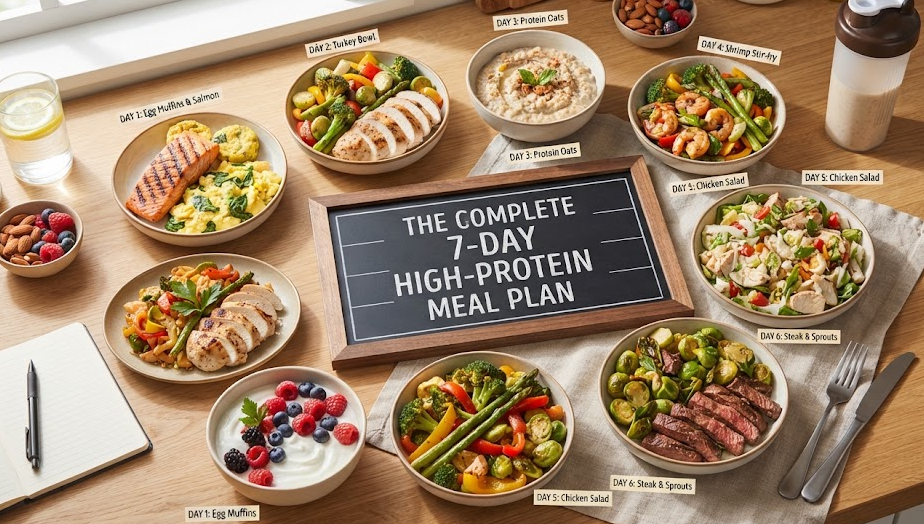
7-Day High-Protein Meal Plan
The following menu is designed as a flexible framework rather than a rigid prescription. Portion sizes and exact nutrition requirements should be adjusted according to individual needs.
Day 1 – Easy & Familiar
Breakfast: Greek Yogurt Protein Bowl
Combine thick Greek yogurt with berries, chia seeds, a small amount of granola, and cinnamon.
For additional protein, you can add a small amount of protein powder or serve boiled eggs alongside it.
Variations:
Try strawberries and almonds, blueberries and walnuts, banana and peanut butter, or apple and cinnamon.
Lunch: Grilled Chicken Power Bowl
Start with grilled chicken breast and add cooked quinoa or brown rice, cucumber, tomato, leafy greens, roasted vegetables, and a light dressing.
This is an excellent meal-prep option because most components can be prepared ahead of time.
Swap: Use turkey, shrimp, tofu, tempeh, tuna, or chickpeas instead of chicken.
Snack: Cottage Cheese & Fruit
Pair cottage cheese with berries, pineapple, peaches, or apple.
For a savory version, combine cottage cheese with cucumber, tomatoes, cracked pepper, and herbs.
Dinner: Sheet-Pan Salmon & Vegetables
Roast salmon alongside broccoli, zucchini, peppers, asparagus, or green beans.
Add roasted potatoes, sweet potato, quinoa, or rice depending on your energy needs.
Day 2 – Fast & Meal-Prep Friendly
Breakfast: Egg & Cottage Cheese Scramble
Whisk eggs with cottage cheese and cook with spinach, mushrooms, peppers, or tomatoes.
The cottage cheese adds creaminess while increasing the protein content.
Serve with whole-grain toast or fruit.
Lunch: Turkey Avocado Wrap
Fill a whole-grain or high-fiber wrap with sliced turkey, lettuce, tomatoes, cucumber, avocado, and a yogurt-based dressing.
Vegetarian alternative: Replace turkey with seasoned tofu, tempeh, beans, or smashed chickpeas.
Snack: Greek Yogurt With Nuts
Choose plain Greek yogurt and add fruit, cinnamon, nuts, or seeds.
Dinner: High-Protein Turkey Chili
Combine lean ground turkey with tomatoes, beans, peppers, onions, herbs, and spices.
Make several servings at once and refrigerate or freeze the extras.
Variation: Use lean beef, chicken, lentils, or a mixture of beans.
Day 3 – High-Protein Comfort Food
Healthy eating doesn’t mean giving up comfort food.
The trick is changing the balance of the meal.
Breakfast: Protein Oatmeal
Prepare oats with milk and add Greek yogurt or protein powder after cooking.
Top with berries, banana, cinnamon, chia seeds, or a little peanut butter.
Lunch: High-Protein Grilled Cheese & Soup
Use whole-grain bread with a reasonable amount of cheese and add sliced turkey or chicken for extra protein.
Serve alongside tomato soup and a large salad.
You still get the comfort-food experience while creating a more balanced meal.
Snack: Eggs & Crunchy Vegetables
Pair hard-boiled eggs with carrots, cucumber, peppers, or cherry tomatoes.
Dinner: Protein-Packed Lasagna
Use lean ground turkey, chicken, beef, or lentils in your tomato sauce.
Cottage cheese can also be incorporated into the filling for additional protein.
Serve with a large side salad or roasted vegetables.
Day 4 – Mediterranean Inspired
Breakfast: Savory Egg Breakfast Plate
Serve eggs with Greek yogurt or cottage cheese, tomatoes, cucumber, olives, herbs, and whole-grain toast.
Lunch: Mediterranean Chicken Bowl
Combine grilled chicken with cucumber, tomato, lettuce, red onion, chickpeas, and a yogurt-based sauce.
Add quinoa, brown rice, or pita depending on your preferences.
Snack: Greek Yogurt Dip
Mix Greek yogurt with herbs, garlic, lemon, salt, and pepper.
Serve with chopped vegetables.
Dinner: Garlic Shrimp With Rice & Vegetables
Sauté shrimp with garlic, herbs, and lemon.
Serve with vegetables and a moderate portion of rice.
Alternative: Salmon, chicken, tofu, or white fish work equally well.
Day 5 – Busy-Day Meals
Some days you simply don’t have time to cook.
That’s when convenient protein foods become incredibly useful.
Breakfast: Protein Smoothie
Blend milk or fortified plant milk with Greek yogurt or protein powder, frozen fruit, spinach, and ice.
Add oats, chia seeds, or nut butter if you need a more substantial meal.
Lunch: Tuna Crunch Wrap
Combine tuna with Greek yogurt or a modest amount of mayonnaise, celery, herbs, and seasonings.
Add lettuce and tomatoes and wrap everything in a tortilla.
Snack: Cottage Cheese Bowl
Choose sweet toppings such as berries and cinnamon or savory toppings such as tomato and black pepper.
Dinner: Rotisserie Chicken Plate
Using convenient foods is not cheating.
Pair rotisserie chicken with microwaveable rice or potatoes and frozen vegetables.
You can have a balanced dinner ready in minutes.
Day 6 – Weekend Comfort
Breakfast: High-Protein Pancakes
Create pancakes using oats, eggs, cottage cheese or Greek yogurt.
Serve with fresh berries and yogurt.
Lunch: Chicken Caesar Wrap
Combine cooked chicken, lettuce, Parmesan, and a lighter Caesar-style dressing inside a wrap.
Add tomatoes or other vegetables for extra volume.
Snack: Greek Yogurt Chocolate Bowl
Mix Greek yogurt with cocoa powder and your preferred sweetener.
Add berries for a dessert-like snack.
Dinner: High-Protein Sloppy Joes
Prepare the filling using lean ground beef or turkey.
Serve on a whole-grain bun and add a large salad or roasted vegetables.
Alternative: Lentils can replace some or all of the meat.
Day 7 – Flexible Family Meals
Breakfast: Breakfast Burrito
Fill a tortilla with eggs, egg whites if desired, beans, vegetables, cheese, and salsa.
Make several burritos ahead and freeze them for busy mornings.
Lunch: Leftover Protein Bowl
Use whatever protein is left from the week.
Chicken + rice + vegetables?
Turn it into a bowl.
Salmon + potatoes?
Add greens and dressing.
Turkey chili?
Serve it over a baked potato.
Reducing food waste makes healthy eating cheaper and easier.
Snack: Apple & Protein Pairing
Pair an apple with Greek yogurt, cottage cheese, cheese, or another protein source.
Dinner: Chicken Fajita Skillet
Cook chicken with peppers, onions, and fajita seasoning.
Serve with tortillas, salsa, Greek yogurt, avocado, and vegetables.
Everyone can assemble their own plate, making this particularly convenient for families.
Want More Variety? Use These Meal Swaps
One of the biggest reasons people abandon meal plans is boredom.
Instead of thinking of this seven-day plan as seven fixed menus, think of it as a template.
High-Protein Breakfast Variations
Rotate between:
Egg and vegetable scramble
Greek yogurt berry bowl
Cottage cheese toast
Protein oatmeal
Breakfast burrito
Egg muffins
Greek yogurt smoothie
Cottage cheese pancakes
Smoked salmon toast
Turkey and egg sandwich
Overnight protein oats
Tofu scramble
Changing breakfast alone can make the same weekly plan feel completely different.
High-Protein Lunch Variations
Try:
Chicken Caesar wrap
Turkey avocado sandwich
Tuna salad bowl
Salmon rice bowl
Chicken burrito bowl
Mediterranean chicken salad
Turkey chili
Tofu stir-fry
Lentil bowl
Shrimp tacos
Chicken pasta salad
Egg and cottage cheese salad
Lean beef taco bowl
High-Protein Dinner Variations
Rotate:
Chicken fajitas
Turkey meatballs
Salmon and potatoes
Lean beef stir-fry
Chicken curry
Shrimp fried rice
Turkey burgers
Chicken pasta
Protein lasagna
Beef and vegetable skillet
Chicken casserole
Stuffed peppers
Lentil curry
Tofu noodle bowl
Chicken enchiladas
A high-protein meal plan doesn’t need to look like traditional “diet food.”
High-Protein Vegetarian Meal Plan Variations
You can also increase protein without eating meat at every meal.
Good options include:
Greek yogurt
Cottage cheese
Eggs
Tofu
Tempeh
Edamame
Lentils
Beans
Chickpeas
Seitan
Milk or fortified soy milk
Higher-protein pasta
Quinoa
Protein powder
For example, instead of a chicken burrito bowl, create one with tofu, black beans, Greek yogurt, vegetables, salsa, and rice.
Instead of turkey chili, use lentils and multiple varieties of beans.
Instead of chicken stir-fry, use tofu or tempeh.
The basic meal structure remains exactly the same.
What Foods Are Highest in Protein?
Understanding which foods provide meaningful amounts of protein makes planning much easier.
Chicken Breast
Chicken breast is popular because it’s relatively lean, versatile, and easy to cook in bulk.
Use it in:
Wraps
Salads
Rice bowls
Pasta
Soups
Sandwiches
Tacos
Stir-fries
Instead of eating plain chicken repeatedly, change the seasoning.
Try Mexican, Mediterranean, garlic-herb, barbecue, curry, Cajun, teriyaki, or lemon-pepper flavors.
One protein source can become seven completely different meals.
Turkey
Turkey isn’t only for holiday dinners.
Lean ground turkey works well in burgers, meatballs, tacos, chili, pasta sauce, stuffed peppers, and breakfast skillets.
Turkey breast also works well in sandwiches and wraps.
Eggs
Eggs are one of the easiest protein foods to incorporate into breakfast.
Try them:
Scrambled
Boiled
Poached
Baked
In omelets
In breakfast burritos
As egg muffins
On toast
Pairing eggs with Greek yogurt, cottage cheese, beans, or another protein-rich food can create an even more substantial meal.
Salmon
Salmon provides protein along with omega-3 fats.
Serve it with potatoes and vegetables, flake it into salads, add it to rice bowls, or use leftovers in wraps.
Tuna
Canned tuna is convenient because it requires almost no preparation.
Use it in sandwiches, wraps, salads, pasta, rice bowls, or stuffed vegetables.
Shrimp
Shrimp cooks very quickly, making it particularly useful for busy weeknights.
Add it to stir-fries, tacos, pasta, salads, rice bowls, or skewers.
Greek Yogurt
Greek yogurt can work at breakfast, as a snack, in smoothies, or even as part of savory sauces.
Use it instead of relying only on sugary flavored yogurts.
Add fruit, cinnamon, nuts, seeds, or a small amount of honey for flavor.
Cottage Cheese
Cottage cheese has become popular because it can be used in both sweet and savory dishes.
Blend it into sauces.
Add it to scrambled eggs.
Spread it on toast.
Use it in pancakes.
Mix it into pasta.
Or simply serve it with fruit.
Lean Beef
Lean beef can absolutely fit into a balanced high-protein diet.
Use it in taco bowls, burgers, stir-fries, meatballs, chili, or pasta.
Choosing leaner cuts can help keep the overall meal balanced.
Lentils
Lentils provide plant protein and fiber.
They’re excellent in curries, soups, salads, bowls, tacos, and pasta sauces.
Beans
Black beans, kidney beans, cannellini beans, and chickpeas can add both protein and fiber.
Combining beans with another protein source can make meals especially satisfying.
Tofu
Tofu absorbs flavors extremely well.
Bake it, air-fry it, scramble it, grill it, or add it to stir-fries and curries.
Edamame
Edamame is an easy plant-based protein addition to salads, noodle dishes, rice bowls, and snacks.
Easy Ways to Add More Protein Without Changing Your Entire Diet
You don’t necessarily need a completely new diet.
Sometimes a few strategic substitutions are enough.
If breakfast is toast, add eggs.
If breakfast is cereal, pair it with Greek yogurt.
If you’re making oatmeal, prepare it with milk and add Greek yogurt or protein powder.
If lunch is a salad, add chicken, tuna, salmon, tofu, eggs, lentils, or beans.
If you’re eating pasta, add lean meat, shrimp, lentils, or higher-protein pasta.
If you’re having fruit as a snack, pair it with yogurt or cottage cheese.
If you’re making tacos, increase the lean protein and add beans.
Small additions repeated consistently can make a substantial difference to your overall eating pattern.
High-Protein Snacks for Busy People
Snacks don’t automatically need to be high in protein, but protein-rich snacks can be useful when there are long gaps between meals.
Some easy choices include:
Greek yogurt with berries
Cottage cheese with fruit
Hard-boiled eggs
Edamame
Tuna and whole-grain crackers
Turkey roll-ups
Cheese with fruit
Roasted chickpeas
Protein smoothie
Milk or fortified soy milk
Greek yogurt dip with vegetables
Cottage cheese toast
The goal isn’t to snack constantly.
Use snacks when they genuinely help bridge the gap between meals.
How to Meal Prep Without Spending Your Entire Sunday Cooking
Meal prep does not have to mean preparing 21 identical containers.
A simpler approach is component prep.
Prepare a few basic ingredients and combine them differently throughout the week.
For example:
Cook a batch of chicken.
Prepare rice or quinoa.
Roast a tray of vegetables.
Wash salad greens.
Boil several eggs.
Prepare one sauce.
Now those ingredients can become:
Chicken rice bowl
Chicken wrap
Chicken salad
Chicken tacos
Chicken stir-fry
Chicken sandwich
You’re preparing ingredients once but eating different meals.
The 60-Minute High-Protein Meal Prep Strategy
If you’re short on time, dedicate roughly an hour to the basics.
Start one carbohydrate source such as rice, quinoa, or potatoes.
While that cooks, bake or air-fry chicken or tofu.
Put vegetables into the oven.
Boil eggs.
Wash and portion fruit.
Prepare one or two simple sauces.
Divide everything into containers.
You don’t even need to assemble every meal immediately.
Keeping the ingredients separate often prevents meals from becoming soggy and gives you more flexibility.
High-Protein Grocery List
A useful grocery list should contain foods you can combine in multiple ways.
Protein
Chicken breast or thighs
Lean ground turkey
Lean beef
Salmon
Tuna
Shrimp
Eggs
Greek yogurt
Cottage cheese
Milk or soy milk
Tofu
Tempeh
Beans
Lentils
Edamame
Vegetables
Broccoli
Spinach
Peppers
Onions
Tomatoes
Cucumber
Lettuce
Carrots
Green beans
Zucchini
Frozen mixed vegetables
Fruit
Berries
Bananas
Apples
Oranges
Pineapple
Peaches
Carbohydrates
Oats
Potatoes
Sweet potatoes
Rice
Quinoa
Whole-grain bread
Whole-grain wraps
Higher-protein pasta
Beans and lentils
Healthy Fats & Extras
Avocado
Olive oil
Nuts
Seeds
Peanut or almond butter
Herbs
Spices
Salsa
Mustard
Hot sauce
Lemon and lime
What If Your Goal Is Weight Loss?
Protein can be helpful, but simply adding protein on top of everything you currently eat doesn’t automatically produce weight loss.
Overall energy intake still matters.
A better approach is to restructure meals.
For example, instead of:
Large pasta portion + creamy sauce + bread
Try:
Moderate pasta portion + chicken or shrimp + plenty of vegetables + flavorful tomato-based sauce.
Instead of:
Pastry + sweetened coffee for breakfast
Try:
Eggs + fruit + Greek yogurt + coffee.
The second meals aren’t necessarily “diet foods.”
They’re simply structured differently.
For weight management, focus on:
Adequate protein
Plenty of vegetables and fruit
Fiber-rich carbohydrates
Reasonable portions of calorie-dense foods
Regular physical activity
Consistent habits
And remember that weight change happens over time. Day-to-day scale fluctuations can reflect water, food volume, sodium, carbohydrate intake, hormones, and other factors—not just changes in body fat.
What If Your Goal Is Building Muscle?
Protein becomes especially useful when paired with resistance training.
But protein isn’t the only requirement.
Building muscle generally requires:
Progressive resistance training
Adequate protein
Enough overall food and energy
Carbohydrates to support training
Quality sleep
Recovery
Consistency
You don’t need to eat chicken every two hours.
Instead, include meaningful protein sources throughout the day and build your meals around a variety of nutrient-rich foods.
Common High-Protein Diet Mistakes
Mistake #1: Eating Protein but Ignoring Fiber
A plate containing only meat isn’t automatically a balanced meal.
Include vegetables, fruits, legumes, and whole grains as appropriate.
Mistake #2: Drinking All Your Protein
Protein shakes are convenient, but whole foods provide additional nutrients and can be more satisfying.
Use shakes as a tool rather than automatically replacing every meal.
Mistake #3: Assuming “High Protein” Means Low Calorie
Some protein-rich foods are also calorie-dense.
Cheese, nuts, nut butter, fatty meats, and certain protein bars can provide protein but also substantial calories.
That doesn’t make them unhealthy.
It simply means portions still matter when weight loss is the goal.
Mistake #4: Making Every Meal Boring
You won’t follow a meal plan for long if you hate the food.
Use spices.
Use sauces.
Try different cuisines.
Make tacos.
Make curry.
Make pasta.
Make burgers.
Healthy eating needs to work in your real life.
Mistake #5: Trying to Be Perfect
One restaurant meal won’t ruin your progress.
Neither will birthday cake, pizza night, or a missed workout.
A sustainable eating pattern should have room for normal life.
How to Eat High Protein at Restaurants
You don’t have to stop eating out.
Look for meals containing a clear protein source such as:
Grilled chicken
Fish
Shrimp
Lean steak
Eggs
Tofu
Beans
Then add vegetables and choose a carbohydrate according to your appetite and goals.
Examples include:
Chicken fajitas
Grilled salmon with potatoes
Chicken salad with dressing
Steak with vegetables
Shrimp rice bowl
Chicken kebabs
Egg-based breakfast
Burrito bowl with chicken and beans
You can enjoy restaurant food without turning every meal into a nutrition calculation.
High-Protein Eating on a Budget
Protein doesn’t have to be expensive.
Budget-friendly options can include:
Eggs
Canned tuna
Canned beans
Dried lentils
Greek yogurt in larger containers
Cottage cheese
Frozen chicken
Ground turkey when discounted
Milk
Tofu
Frozen edamame
Compare the cost per serving, not simply the package price.
Buying larger packages, using frozen foods, choosing store brands, and planning meals around weekly specials can reduce costs considerably.
Frequently Asked Questions
Do I Need Protein Powder?
No.
Protein powder is a convenience food, not a requirement.
You can get protein from regular foods.
However, protein powder can be useful when you’re busy or when meeting your target through food alone is difficult.
Can I Eat Carbohydrates on a High-Protein Diet?
Absolutely.
High protein does not automatically mean low carbohydrate.
Rice, potatoes, oats, fruit, whole grains, beans, and other carbohydrate foods can fit comfortably into a high-protein eating pattern.
Carbohydrates can be especially useful for active people because they provide energy for exercise and everyday activities.
Can Vegetarians Follow a High-Protein Diet?
Yes.
Eggs and dairy can make this easier for vegetarians who consume them.
Plant-based options include tofu, tempeh, edamame, lentils, beans, chickpeas, seitan, soy milk, and various higher-protein grains and products.
Should Every Meal Contain Protein?
It doesn’t have to be a rigid rule, but distributing protein-containing foods across your day is a convenient strategy.
It also prevents the situation where you reach dinner and realize you’ve eaten very little protein all day.
Is More Protein Always Better?
No.
Once you’ve reached an appropriate intake for your individual needs, continually adding protein isn’t automatically beneficial.
Your diet still needs room for vegetables, fruits, carbohydrates, fats, fiber, vitamins, minerals, and foods you simply enjoy.
Can I Follow This Plan Without Tracking Calories?
Many people can improve the quality of their diet without meticulously tracking every calorie.
You can focus first on meal structure, food quality, hunger, fullness, and portions.
People with specific physique, athletic, or medically supervised goals may choose more precise tracking.
How to Make This Meal Plan Work in Real Life
The most successful meal plan isn’t necessarily the one that looks perfect on paper.
It’s the one you can repeat.
If you hate cooking breakfast, prepare overnight oats or breakfast burritos.
If you don’t have time for lunch, prepare wraps the night before.
If dinner is chaotic, keep frozen vegetables, microwaveable rice, cooked chicken, canned beans, eggs, and other quick ingredients available.
If you love dessert, don’t create a plan that pretends you’ll never eat dessert again.
Build flexibility into the plan.
Instead of trying to transform everything overnight, choose two or three habits to start with.
For example:
Week 1: Eat a protein-rich breakfast.
Week 2: Add a protein source to lunch.
Week 3: Prepare two dinners ahead.
Week 4: Improve your snack choices.
Small habits can become automatic much more easily than an extreme overnight diet overhaul.
Build Your Own High-Protein Day
Here’s how simple it can be.
Breakfast
Eggs + Greek yogurt + berries + whole-grain toast
Lunch
Chicken + rice + roasted vegetables + avocado
Snack
Cottage cheese + fruit
Dinner
Salmon + potatoes + broccoli
Tomorrow could look completely different:
Breakfast
Protein oatmeal + banana
Lunch
Turkey avocado wrap + vegetables
Snack
Greek yogurt + berries
Dinner
Lean beef taco bowl + beans + salsa + vegetables
And the next day:
Breakfast
Breakfast burrito
Lunch
Tuna salad sandwich
Snack
Eggs + fruit
Dinner
Chicken pasta + vegetables
That’s the real advantage of a high-protein approach.
You have a structure without needing an overly restrictive menu.
Final Thoughts
Eating more protein doesn’t require completely rebuilding your life.
You don’t need a refrigerator filled with identical meal-prep containers.
You don’t need to eliminate carbohydrates.
You don’t need to give up family dinners.
And you definitely don’t need to survive on dry chicken breast and broccoli.
Start with something much simpler:
Choose a protein source first.
Then build the rest of your meal around it.
Add vegetables or fruit.
Include a carbohydrate that fits your needs.
Add some healthy fat.
Make it taste good.
Then repeat the process with foods you genuinely enjoy.
A sustainable high-protein diet isn’t about eating perfectly.
It’s about creating meals that are satisfying, nutritious, convenient, and realistic enough that you don’t feel like you’re constantly “on a diet.”
If you’re trying to lose weight, protein can be one useful part of a broader calorie-appropriate eating pattern.
If you’re trying to build muscle, combine adequate protein with consistent resistance training and sufficient overall nutrition.
And if your goal is simply to eat better, you don’t need to obsess over numbers at all.
Start by improving the meals you’re already eating.
Add Greek yogurt to breakfast.
Put chicken or beans in your lunch.
Keep cottage cheese or eggs available for quick snacks.
Make a protein-rich dinner the whole family can enjoy.
Those small decisions add up.
Simple meals. More variety. Better satisfaction. A routine you can actually maintain.
That is what makes a high-protein meal plan effective in the real world.
Nutrition needs vary between individuals. People with kidney disease, other medical conditions, pregnancy-related nutrition needs, or medically prescribed diets should discuss major dietary changes with an appropriate healthcare professional.