High-Protein Meal Plan for Busy People: Simple, Effective, and Science-Backed

Have you ever eaten breakfast and somehow felt hungry again before you even made it to lunch?
Or maybe you start the day determined to eat healthier, only to find yourself standing in the kitchen at 4 p.m. searching for anything crunchy, sweet, salty, or satisfying.
For many people, the hardest part of eating healthier isn’t knowing which foods are nutritious.
It’s staying satisfied long enough to make those choices consistently.
That’s where building meals around protein can help.
Protein gives your meals more staying power while supplying amino acids your body needs to maintain and repair muscle and perform many essential functions.
But here’s where people often get high-protein eating wrong:
You don’t need enormous steaks.
You don’t need six eggs every morning.
You don’t need expensive protein products.
And you definitely don’t need to eat dry chicken breast three times a day.
A practical high-protein diet can include creamy breakfasts, loaded sandwiches, hearty bowls, tacos, pasta, casseroles, burgers, yogurt, seafood, vegetarian meals, and even healthier versions of your favorite comfort foods.
The goal of this plan isn’t perfection.
It’s to make eating enough protein easy enough to repeat on your busiest days.
Why Protein Can Make Healthy Eating Easier
Instead of beginning with a long list of foods you’re not allowed to eat, this plan starts with one simple question:
Where’s the protein in this meal?
Once you’ve answered that, you can build everything else around it.
Protein Helps Create More Satisfying Meals
Think about two breakfasts.
Breakfast #1:
Coffee and a piece of toast.
Breakfast #2:
Eggs, Greek yogurt, berries, and toast.
Both contain foods you might normally eat, but the second breakfast contains a much more substantial protein component.
That can make the meal more satisfying and may help manage hunger between meals.
The same principle works throughout the day.
Instead of removing everything you enjoy, improve the structure of the meal.
Protein Is Particularly Important When You’re Active
Exercise creates a reason for your body to adapt.
Resistance training challenges your muscles, while adequate nutrition provides resources needed for recovery and adaptation.
Protein supplies essential amino acids used in muscle protein synthesis.
That doesn’t mean simply eating protein builds muscle automatically.
Resistance training, sufficient food, sleep, recovery, and consistency still matter.
Think of protein as one piece of the puzzle—not the entire puzzle.
High Protein Doesn’t Mean No Carbs
This is one of the biggest misconceptions.
You can eat:
Rice.
Potatoes.
Fruit.
Oatmeal.
Bread.
Pasta.
Beans.
Tortillas.
Quinoa.
And still follow a high-protein diet.
The idea is simply to make sure these foods aren’t replacing your protein source entirely.
Instead of eating a huge bowl of pasta with very little else, for example, try pasta with chicken, shrimp, lean beef, lentils, or another protein source plus vegetables.
You haven’t eliminated pasta.
You’ve created a more balanced meal.
The Protein-First Method
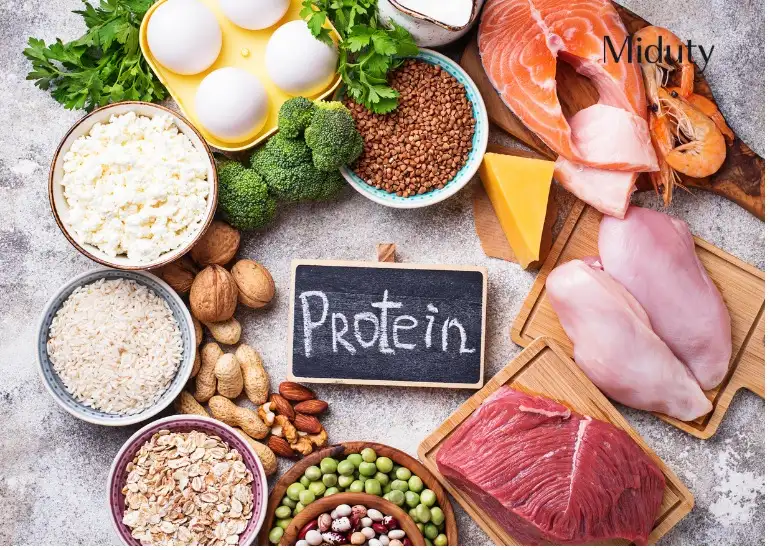
When you don’t know what to eat, start with one protein.
Choose:
Chicken
Turkey
Eggs
Greek yogurt
Cottage cheese
Fish
Shrimp
Lean beef
Tofu
Tempeh
Beans
Lentils
Edamame
Then choose vegetables or fruit.
Then add a carbohydrate.
Finally, add a reasonable amount of fat, sauce, herbs, spices, or toppings that make the meal enjoyable.
That’s it.
For example:
Chicken + rice + peppers + avocado + salsa
becomes a chicken burrito bowl.
Eggs + cottage cheese + spinach + toast
becomes a protein-packed breakfast.
Salmon + potatoes + broccoli + lemon yogurt sauce
becomes dinner.
Once you understand this formula, you don’t really need hundreds of complicated meal plans.
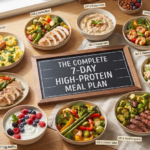
A Completely Different 7-Day High-Protein Meal Plan
This week’s menu focuses on flavorful, familiar meals that can work for busy schedules.
Exact portion sizes should be individualized according to appetite, body size, activity, goals, and dietary needs.
DAY 1 – Fresh Start
Breakfast: Strawberry Cheesecake Overnight Oats
Combine oats with Greek yogurt, milk, chia seeds, strawberries, vanilla, and a small amount of cream cheese if desired.
Leave it in the refrigerator overnight.
By morning, breakfast is already waiting.
For additional protein, add protein powder or serve with eggs.
Easy Variations
Blueberry lemon
Banana cinnamon
Chocolate strawberry
Apple cinnamon
Peanut butter banana
One basic recipe can become five different breakfasts.
Lunch: Buffalo Chicken Wrap
Fill a whole-grain wrap with cooked chicken, lettuce, tomato, cucumber, shredded carrots, and buffalo sauce.
Use Greek yogurt mixed with seasonings as a creamy dressing.
Vegetarian Swap
Replace the chicken with crispy tofu or roasted chickpeas.
Snack: Cottage Cheese Crunch Bowl
Combine cottage cheese with cucumber, tomatoes, black pepper, and your favorite herbs.
Prefer something sweet?
Use berries and cinnamon instead.
Dinner: Garlic Parmesan Chicken Pasta
Combine cooked chicken with pasta, spinach, garlic, Parmesan, and a light creamy sauce.
Increase the vegetables and keep the chicken generous to create a satisfying protein-focused pasta dinner.
Meal-Prep Tip
Cook extra chicken tonight.
You’ll use it again later in the week.
DAY 2 – Taco Night
Breakfast: Loaded Breakfast Toast
Toast whole-grain bread and top it with cottage cheese, scrambled eggs, sliced tomatoes, and black pepper.
Add avocado if desired.
It’s quick, filling, and requires almost no preparation.
Lunch: Southwest Turkey Bowl
Combine seasoned lean ground turkey with:
Rice
Black beans
Corn
Lettuce
Tomatoes
Salsa
Greek yogurt
Avocado
This meal is particularly easy to customize.
Want fewer calories?
Increase the lettuce and vegetables while using a smaller rice portion.
Need more energy?
Add more rice, beans, or avocado.
Snack: Greek Yogurt & Berries
Add cinnamon, chia seeds, or a few chopped nuts.
Dinner: Shrimp Tacos
Season shrimp with lime, garlic, paprika, and chili.
Serve in tortillas with cabbage slaw, salsa, cilantro, and a yogurt-lime sauce.
Alternative
Use fish, chicken, tofu, or black beans.
DAY 3 – Cozy Comfort Food
Breakfast: Cinnamon Protein French Toast
Dip whole-grain bread in a mixture of eggs, milk, vanilla, and cinnamon.
Cook until golden.
Serve with Greek yogurt and berries.
This gives you the feeling of a weekend breakfast without abandoning your nutrition goals.
Lunch: Chicken Pesto Sandwich
Layer cooked chicken, tomato, spinach, pesto, and mozzarella on whole-grain bread.
Toast until warm and crispy.
Serve with vegetables, fruit, or soup.
Snack: Apple Cinnamon Yogurt Bowl
Combine chopped apple with Greek yogurt and cinnamon.
Add a few walnuts for crunch.
Dinner: High-Protein Shepherd’s Pie
Prepare the filling with lean ground turkey or beef, peas, carrots, onions, and seasonings.
Top with mashed potatoes.
For an additional protein boost, Greek yogurt or cottage cheese can be incorporated into the mashed potato mixture.
Comfort food absolutely can fit into a balanced diet.
DAY 4 – Mediterranean Day
Breakfast: Mediterranean Egg Bowl
Combine eggs with cucumber, tomatoes, spinach, feta, and herbs.
Serve with whole-grain toast.
Lunch: Greek Chicken Pita
Fill a pita with grilled chicken, lettuce, cucumber, tomato, onion, and yogurt-based tzatziki.
Plant-Based Variation
Use falafel, chickpeas, or tofu.
Snack: Edamame With Sea Salt
Edamame makes a convenient plant-based snack containing both protein and fiber.
Pair it with fruit if you need something more substantial.
Dinner: Lemon Herb Salmon Plate
Serve roasted salmon with:
Baby potatoes
Green beans
Roasted zucchini
Lemon
Herbs
Make extra salmon for tomorrow’s lunch.
DAY 5 – Almost No-Cook Day
Healthy eating gets difficult when every recipe requires 45 minutes in the kitchen.
So today is deliberately simple.
Breakfast: Chocolate Banana Protein Smoothie
Blend:
Milk or soy milk
Greek yogurt or protein powder
Banana
Cocoa powder
Ice
Add peanut butter if you need additional calories and richness.
Lunch: Salmon Avocado Toast
Use leftover salmon from yesterday.
Flake it over whole-grain toast with avocado, cucumber, tomato, and lemon.
No salmon left?
Canned tuna works perfectly.
Snack: Turkey & Cheese Roll-Ups
Roll sliced turkey around cheese and serve with cucumber, carrots, or fruit.
Dinner: 10-Minute Chicken Fried Rice
Use leftover rice, cooked chicken, frozen mixed vegetables, eggs, soy sauce, garlic, and seasonings.
Everything goes into one pan.
Dinner is done.
DAY 6 – High-Protein Takeout-Inspired Meals
Instead of trying to eliminate foods you crave, recreate them at home.
Breakfast: Breakfast Quesadilla
Fill a tortilla with scrambled eggs, black beans, a moderate amount of cheese, peppers, and salsa.
Toast both sides until crisp.
Serve with Greek yogurt instead of—or alongside—sour cream.
Lunch: Crispy Chicken Burger
Use grilled, baked, or air-fried chicken breast.
Serve on a bun with lettuce, tomato, pickles, and your favorite sauce.
Add oven-baked potato wedges.
Yes, a burger can be part of a high-protein meal plan.
Snack: Chocolate Cottage Cheese Pudding
Blend cottage cheese with cocoa powder, vanilla, and your preferred sweetener until smooth.
Top with berries.
Dinner: Beef & Broccoli Stir-Fry
Cook lean beef strips with broccoli, peppers, onions, garlic, and a savory stir-fry sauce.
Serve with rice.
Alternative Proteins
Chicken
Shrimp
Tofu
Tempeh
DAY 7 – Family Favorites
Breakfast: Cottage Cheese Pancakes
Blend eggs, cottage cheese, oats, cinnamon, and vanilla.
Cook like regular pancakes.
Serve with berries and Greek yogurt.
Lunch: BBQ Chicken Baked Potato
Split a baked potato and fill it with shredded chicken mixed with barbecue sauce.
Add Greek yogurt, chopped green onions, and a little cheese.
Serve with a side salad.
Snack: Protein Snack Plate
Create a mini snack board with:
Hard-boiled egg
Greek yogurt dip
Vegetables
Fruit
Cheese
This is especially useful when you don’t feel like preparing a traditional snack.
Dinner: Turkey Meatball Marinara
Make meatballs from lean ground turkey.
Serve them with marinara sauce, pasta, and roasted vegetables.
Top with Parmesan.
Want something lighter?
Use zucchini noodles mixed with regular pasta rather than eliminating pasta completely.
20 More Meals You Can Swap Into the Plan
You shouldn’t feel trapped by the seven days above.
Try any of these:
- Chicken burrito bowl
- Turkey taco salad
- Tuna melt
- Chicken Parmesan
- Salmon rice bowl
- Shrimp fajitas
- Turkey burger
- Beef taco bowl
- Chicken enchiladas
- Egg and cottage cheese breakfast bowl
- Greek yogurt overnight oats
- Tofu peanut noodle bowl
- Lentil curry
- Chicken Caesar pasta salad
- Turkey stuffed peppers
- Shrimp pasta primavera
- Chicken vegetable soup
- Beef and bean chili
- Cottage cheese flatbread
- Salmon tacos
The easiest way to stay consistent is to keep meals familiar while changing flavors and combinations.
Don’t Like Chicken? Try These Protein Swaps
Chicken appears in many meal plans because it’s convenient and versatile.
But you absolutely don’t need to eat it every day.
Instead of chicken, try:
Turkey
Lean beef
Pork tenderloin
Salmon
Tuna
Shrimp
White fish
Eggs
Tofu
Tempeh
Lentils
Beans
Seitan
For example:
Chicken burrito bowl → shrimp burrito bowl
Chicken pasta → turkey meatball pasta
Chicken stir-fry → tofu stir-fry
Chicken wrap → tuna wrap
Changing only the protein can make the same basic meal feel completely different.
Don’t Like Greek Yogurt?
Greek yogurt isn’t mandatory either.
Depending on the recipe, alternatives may include:
Cottage cheese
Skyr
Milk
Soy yogurt
Eggs
Protein powder
Other higher-protein dairy or fortified alternatives
Your meal plan should fit your preferences rather than forcing you to eat foods you dislike.
The Busy-Person High-Protein Breakfast Formula
Breakfast is where many people struggle.
You don’t need a complicated recipe.
Choose one option from each category.
Protein
Eggs
Greek yogurt
Cottage cheese
Milk
Tofu
Protein powder
Carbohydrate
Oats
Whole-grain bread
Fruit
Potatoes
Tortilla
Optional extras
Vegetables
Berries
Seeds
Avocado
Nuts
This creates dozens of combinations.
Eggs + toast + avocado.
Greek yogurt + oats + berries.
Cottage cheese + fruit + nuts.
Eggs + potatoes + vegetables.
Protein smoothie + banana + oats.
Five-Minute High-Protein Lunches
There will be days when you have almost no time.
Keep emergency meals available.
Tuna Wrap
Tuna + Greek yogurt/mayo + lettuce + wrap.
Turkey Sandwich
Turkey + cheese + vegetables + whole-grain bread.
Cottage Cheese Bowl
Cottage cheese + vegetables + crackers + fruit.
Rotisserie Chicken Bowl
Chicken + microwaveable rice + frozen vegetables + sauce.
Greek Yogurt Lunch Plate
Greek yogurt + eggs + fruit + toast.
None requires elaborate cooking.
Easy High-Protein Dinner Formula
Instead of searching for a new recipe every evening, remember:
Protein + vegetable + carbohydrate + sauce = dinner.
Chicken + broccoli + rice + teriyaki sauce.
Shrimp + peppers + tortillas + salsa.
Salmon + green beans + potatoes + yogurt sauce.
Beef + vegetables + noodles + stir-fry sauce.
Tofu + broccoli + rice + peanut sauce.
Turkey + beans + rice + salsa.
Once you start thinking this way, meal planning becomes dramatically easier.
High-Protein Comfort Foods You Don’t Have to Give Up
Healthy eating doesn’t have to mean salad every night.
Many comfort foods can simply be adjusted.
Mac and Cheese
Add chicken, tuna, or lean ground meat and serve with vegetables.
Pizza
Choose protein-rich toppings and pair pizza with a salad rather than treating pizza as forbidden.
Burgers
Use lean beef, turkey, chicken, or a suitable plant-based patty.
Pasta
Add chicken, shrimp, lean beef, turkey meatballs, lentils, or higher-protein pasta.
Tacos
Fill them with chicken, shrimp, lean beef, turkey, fish, beans, or tofu.
Loaded Potatoes
Top potatoes with chicken, turkey chili, cottage cheese, Greek yogurt, beans, or cheese.
Casseroles
Build casseroles around lean proteins, vegetables, and satisfying carbohydrates.
You don’t need “diet versions” of everything.
Sometimes you simply need a better-balanced version.
Smart Protein Snacks for Different Cravings
When You Want Something Sweet
Greek yogurt + berries
Cottage cheese + pineapple
Chocolate yogurt bowl
Protein smoothie
Apple + Greek yogurt dip
When You Want Something Salty
Eggs + seasoning
Edamame
Turkey roll-ups
Cottage cheese + cucumber
Tuna + crackers
When You Want Something Crunchy
Roasted chickpeas
Vegetables + Greek yogurt dip
Apple + cottage cheese
Whole-grain crackers + tuna
When You Want Dessert
Greek yogurt chocolate bowl
Cottage cheese pudding
Frozen yogurt bark
Protein smoothie bowl
The idea isn’t to eliminate cravings.
It’s to have satisfying options available when they happen.
High-Protein Meal Prep for People Who Hate Meal Prep
If the thought of preparing 14 containers on Sunday makes you want to quit before you’ve started, don’t do it.
Prepare only five things:
1 protein
Chicken, turkey, tofu, or another favorite.
1 carbohydrate
Rice, quinoa, or potatoes.
2 vegetables
Choose vegetables that roast or reheat well.
1 sauce
Make or buy a sauce you genuinely enjoy.
Now create multiple meals.
Monday:
Chicken rice bowl.
Tuesday:
Chicken wrap.
Wednesday:
Chicken salad.
Thursday:
Chicken tacos.
Friday:
Chicken stir-fry.
Same prep.
Five different meals.
Keep These Emergency Foods at Home
Consistency becomes easier when you have backup food.
Keep several convenient options available:
Frozen vegetables
Frozen cooked protein
Canned tuna
Canned beans
Eggs
Greek yogurt
Cottage cheese
Microwaveable rice
Whole-grain wraps
Frozen edamame
Fruit
Prewashed salad
Rotisserie chicken when convenient
When life gets busy, these foods can prevent the classic:
“There’s nothing to eat, so I’ll order something.”
A Simple High-Protein Grocery Strategy
Instead of buying random healthy foods, shop by categories.
Pick 3–4 Proteins
For example:
Chicken
Eggs
Greek yogurt
Salmon
Pick 3 Carbohydrates
For example:
Rice
Potatoes
Oats
Pick 5 Vegetables
For example:
Broccoli
Spinach
Peppers
Tomatoes
Cucumber
Pick 3 Fruits
For example:
Berries
Apples
Bananas
Pick 2–3 Flavor Boosters
For example:
Salsa
Pesto
Yogurt sauce
Suddenly you have enough ingredients to create numerous meals without buying an enormous grocery list.
How to Increase Protein Without Increasing Portions Dramatically
Sometimes people hear “eat more protein” and simply add another 500 calories of food to their existing diet.
That isn’t always necessary.
You can change the composition instead.
Instead of regular yogurt, choose a higher-protein yogurt.
Instead of a low-protein breakfast, include eggs.
Instead of pasta with mostly sauce, add chicken or lentils and adjust the pasta portion if appropriate.
Instead of crackers alone, pair a smaller amount with tuna or cottage cheese.
Instead of a plain salad, add salmon, chicken, tofu, eggs, beans, or lentils.
You’re not necessarily eating dramatically more food.
You’re changing what makes up the meal.
High-Protein Eating for Weight Management
Protein can be useful during weight loss because satisfying meals can make a calorie deficit easier to maintain.
But protein doesn’t override energy balance.
A food containing protein can still contain substantial calories.
For example:
Nuts contain protein but are energy-dense.
Cheese contains protein but can also provide significant fat and calories.
Nut butter contains some protein but is easy to overeat.
Protein bars vary dramatically in nutritional composition.
None of these foods needs to be eliminated.
Just remember:
High protein doesn’t automatically mean low calorie.
High-Protein Eating for Muscle Building
If building muscle is your goal, nutrition should work alongside resistance training.
Focus on:
Consistent strength training
Adequate total protein
Enough overall calories
Sufficient carbohydrates
Recovery
Sleep
Progressive training
A protein shake can’t replace training.
And an excellent workout routine can’t compensate indefinitely for inadequate nutrition and recovery.
The pieces work together.
Do You Need to Eat Protein Immediately After Exercise?
You don’t need to panic if you don’t have a protein shake waiting beside the treadmill.
Your overall protein intake and meal pattern matter greatly.
Having a protein-containing meal or snack around your workout can be convenient, particularly when several hours separate your regular meals.
Examples include:
Greek yogurt + fruit
Eggs + toast
Chicken + rice
Protein smoothie
Cottage cheese + fruit
Turkey sandwich
Keep it practical.
Can You Eat Too Much Protein?
More isn’t automatically better.
Once your needs are being met, increasing protein indefinitely doesn’t guarantee additional muscle growth or faster fat loss.
A balanced diet still needs room for:
Fiber
Vegetables
Fruit
Whole grains
Healthy fats
Micronutrients
People with certain medical conditions, particularly those affecting kidney function or requiring medically managed nutrition, should discuss substantial dietary changes with an appropriate healthcare professional.
What About Plant-Based Protein?
You can absolutely create high-protein meals with plant foods.
Useful options include:
Tofu
Tempeh
Edamame
Lentils
Beans
Chickpeas
Seitan
Soy milk
Peas
Higher-protein grains and pastas
A plant-based bowl could contain:
Tofu + edamame + quinoa + vegetables + peanut sauce.
Or:
Lentils + chickpeas + roasted vegetables + tahini.
Or:
Black beans + tofu + rice + salsa + avocado.
You don’t have to choose between being plant-focused and eating enough protein.
What Should You Drink?
Your drinks don’t need to become complicated either.
Water should generally remain your main source of hydration.
Other options can include:
Coffee
Tea
Milk
Fortified soy milk
Sparkling water
Protein smoothies when appropriate
Liquid calories can add up quickly, so beverages are worth considering when weight management is your goal.
How to Stay Consistent on Weekends
Weekends often become difficult because weekday structure disappears.
Instead of trying to control every meal, maintain a few anchors.
Eat a protein-rich breakfast.
Keep one easy lunch available.
Enjoy your restaurant dinner.
Return to your normal routine afterward.
You don’t need to “start again Monday.”
One meal doesn’t define your entire week.
The High-Protein Restaurant Rule
When you’re eating out, scan the menu for the protein first.
Find:
Chicken
Fish
Shrimp
Steak
Eggs
Tofu
Beans
Then decide what you’d like alongside it.
For example:
Grilled chicken sandwich + salad.
Steak + potatoes + vegetables.
Salmon + rice + vegetables.
Chicken tacos + beans.
Shrimp bowl + rice.
You don’t need to order the saddest item on the menu just because you’re trying to eat well.
The Best Meal Plan Is the One You Can Repeat
A meal plan can look incredible online and still be completely useless for your life.
If it requires two hours of cooking every night and you have 20 minutes, it’s not the right plan.
If every meal contains foods you dislike, it’s not the right plan.
If it requires ingredients you can’t easily buy, it’s not the right plan.
If you’re constantly hungry, something needs adjusting.
Your eating plan should work around your real schedule.
Start With Three Changes
You don’t have to implement this entire guide tomorrow.
Start with three things.
Change #1: Upgrade Breakfast
Include a meaningful protein source.
Change #2: Build Lunch Around Protein
Chicken, eggs, tuna, Greek yogurt, cottage cheese, tofu, beans—choose something you enjoy.
Change #3: Keep an Emergency Dinner Available
Frozen vegetables + microwaveable rice + convenient protein can save an otherwise chaotic evening.
Once those habits become easy, improve something else.
Final Thoughts
You don’t need the “perfect” high-protein meal plan.
You need one that still works when you’re tired.
One that works when you’re busy.
One that works when you’re feeding a family.
One that works when you don’t feel like cooking.
And one that contains food you actually look forward to eating.
Start by making protein the anchor of your meals.
Then surround it with vegetables, fruit, satisfying carbohydrates, healthy fats, and plenty of flavor.
Some days that might mean salmon and roasted vegetables.
Other days it might mean a chicken burrito.
Or turkey pasta.
Or cottage cheese pancakes.
Or shrimp tacos.
Or a quick rotisserie chicken bowl you assembled in five minutes.
That’s the point.
High-protein eating doesn’t have to look the same every day.
The more flexibility you build into your plan, the easier it becomes to continue.
Don’t chase perfection.
Build meals you enjoy, keep convenient protein foods available, adjust portions to your individual needs, and focus on habits you can realistically maintain.
Because the most effective eating plan isn’t the most restrictive one.
It’s the one that fits your life well enough to become normal.
This meal plan is general educational information rather than individualized medical nutrition advice. Protein and calorie needs vary according to factors such as body size, age, activity, goals, pregnancy, medications, and health conditions. People with kidney disease or other conditions requiring dietary management should seek individualized guidance from an appropriate healthcare professional.